Current Examples
Mona Lisa at the Musée du Louvre in Paris, France.
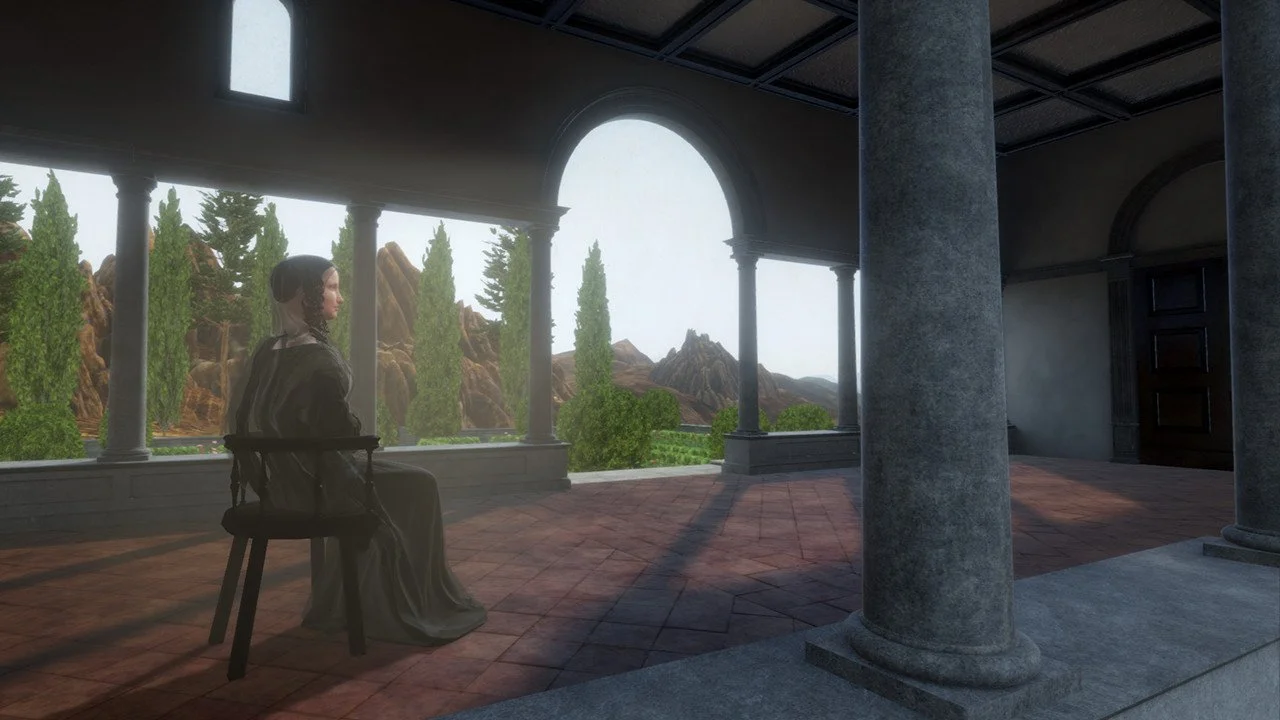
On October 24, 2019, the Louvre opened its first VR immersive experience Mona Lisa: Beyond the Glass to give visitors an opportunity to have a one-on-one engagement with Mona Lisa beyond the crowd and shatterproof glass case. A VR experience like this can create an intimate viewing experience between the viewer and famous pieces of work. For the first time, viewers are able to have a close-up view of the artist's technical devices as they are brought inside the frame.
Audiences can observe Da Vinci's innovative tools in meticulous detail as they can see the glistening oil paint highlighting the cracks in the wooden panel and feel Mona Lisa's piercing eyes in full effect.
Of course, VR will never replace the artwork itself. But it can provide a complementary experience to famous artworks– as it allows visitors to have the closest level of engagement to the subject matter while removing distance and crowds.
Mona Lisa by Leonardo da Vinci is arguably the most famous painting in the world. Da Vinci's mastery of perspective and geometry fools audiences into believing she is looking directly at the viewer no matter where they are standing.
It is reported that Mona Lisa is seen by more than 20,000 visitors each day. Besides the overwhelming crowd, the ten feet distance and enclosed protective casing all create a rather detached experience for the viewer. [1]
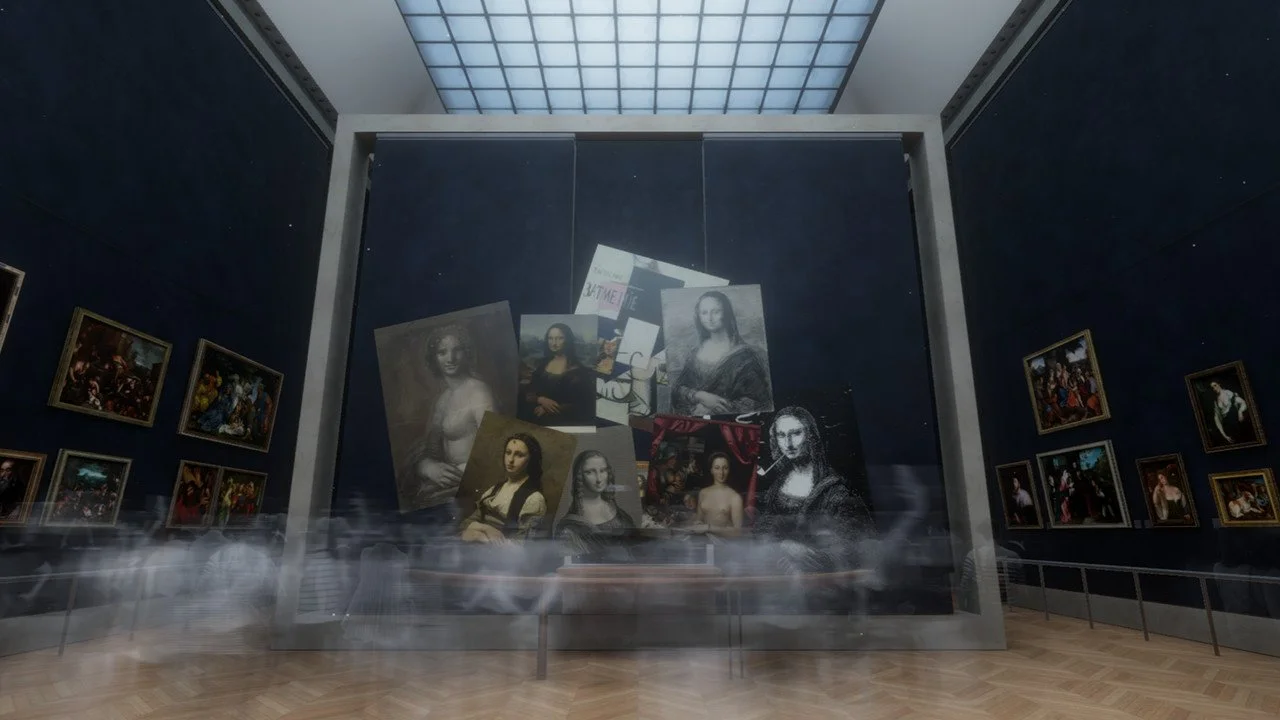
Screenshot from VR experience, Mona Lisa: Beyond The Glass.
Steam
Archaeological Reminiscence of Millet's Angelus by Salvador Dalí at The Dalí Museum in St. Petersburg, Florida
In 2018, The Dalí Museum came out with a VR experience titled Dreams of Dali to invite visitors to step inside the 1935 painting of Archaeological Reminiscence of Millet's 'Angelus' by Salvador Dalí.
This painting shows a male and female figure in a field with their heads bowed in prayer. Looking at the original painting alone, one can already feel the imaginative, dream-like qualities the surrealist painter had so brilliantly pushed forth.
But in VR, visitors are able to feel an even stronger sense of depth than ever before. Visitors are invited to wander around the moonlit Ampurdan plains filled with monstrous elephant-like creatures and climb the ancient towers to feel the vast space. Characters vanish and reappear, making one question what else is out there in the distant landscape.
An experience like this can make one feel closely connected with the artist as the viewer switches from being a passive outsider peering into the frame to an active participant experiencing the imaginative world that the artist had envisioned.
The Opening of the Diet 1863 at The National Museum of Finland in Helsinki
The National Museum of Finland in Helsinki created a VR experience for the R. W. Ekman’s painting The Opening of he Diet 1863 by Alexander II. Similar to the other examples above, this VR experience unwinds the clock and allows visitors free-range inside the painting.
What makes this VR experience so unique is it allows audiences to initiate conversations with the painted figures from within.
For instance, visitors can speak with the Russian Emperor and representatives of different social classes to learn about Finnish life and politics in the 1860s under the Russian Empire. This experience provides a maximum level of engagement as visitors have free-will to decide who they would like to speak with.
A VR experience like this also becomes an educational tool as it allows audiences to learn about the history and society of the time and gain a new perspective when they speak with multiple characters.
Challenges
Cybersickness
If a trompe l’oeil artist gets the rules of geometry, perspective, or shadowing wrong, it will leave visitors questioning just how convincing the illusion is as they are unable to "fool the eye." Similarly, if the VR experience is designed poorly, audiences may feel confused or even worst, experience cybersickness. Cybersickness is the feeling of disorientation or nausea caused by moving around in the virtual environment world. Symptoms include headache, nausea, vomiting, drowsiness, and disorientation. Most often, these unpleasant symptoms are caused by a delay in head movement. Designers of VR experiences have a crucial role in making sure they get the VR experience just right so the audience leaves feeling surprised and delighted than feeling nauseous and questioning the experience. This includes: transforming a 2D to 3D space by following the rules of perspective and geometry, making sure head tracking mimics the real world, and balancing the amount of motion to all together ensure the VR experience is convincing and won't leave visitors to experience cybersickness.
Cost
Another crucial challenge museums face is the cost of new digital initiatives. A full VR headset with audio and touch controllers comes at an expensive price and requires heavy maintenance as they are prone to wear and tear and needs to be routinely cleaned. If museums are to design VR experiences for individual paintings, more VR headsets will need to be purchased, larger teams of designers will need to be hired, and more time will be spent on VR technologies that will make museums more expensive to operate.
Benefits & Future
What does the future of VR & Trompel'oil look like? Where are we going with this?
The transformation of artworks from 2D to 3D through VR can open creative ways for cultural institutions to engage with their audiences. Some benefits of VR trompe o'eil experience include:
Providing a one-to-one relationship of the audience to artwork.
Museums are never thought to be intimate places. VR can help change this perception as the experience of a single artwork becomes more individualized than one shared with those around. Visitors can have the opportunity to have a face-to-face conversation with characters up close and feel an emotional closeness to artworks.
Providing new avenues for education than the conventional classroom setting.
There is a big difference between reading something and actually experiencing it yourself. VR experiences can change the concept of show and tell by showing information through visuals than telling it through text. The biggest challenge I had when studying Art History was memorizing specific dates, titles, and artists as they all blended together. With VR, museums can provide exciting ways to retain these essential details of artworks when they examine the artists’ innovative tools and engage in conversations with painted figures via VR than if repeatedly memorizing texts.
The future of VR & Trompe l'oeil will let visitors feel personally connected to artworks. Instead of heading to the museum and feeling overwhelmed with the number of paintings, the future of VR in museums can allow visitors to be more selective in their viewing experience and feel an emotional engagement with the paintings, artist, and characters of their favorite artworks.
Thereby, transforming the viewing from this (surrounded by a crowd of 10,000 spectators)…
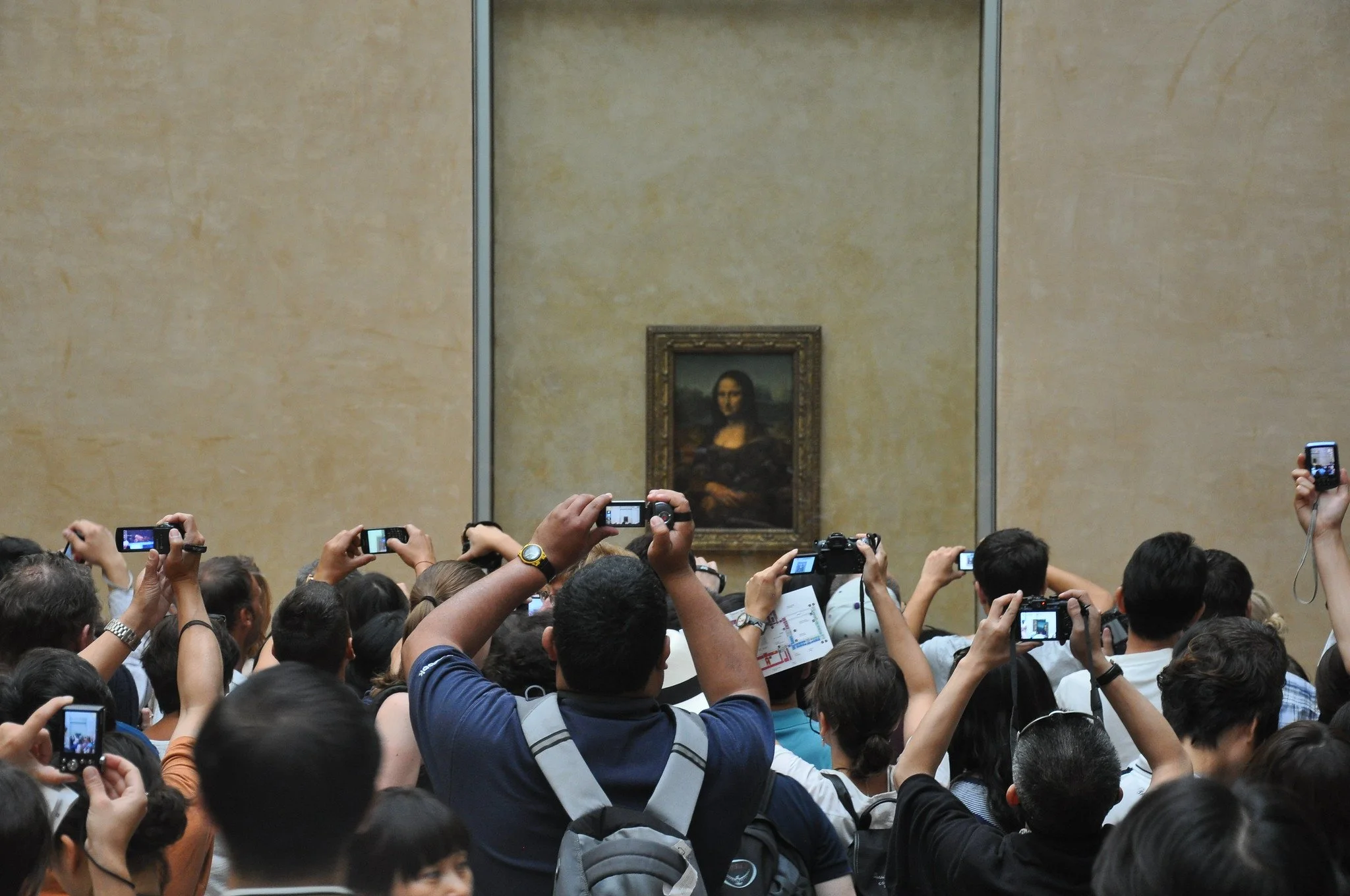
To this - a one-on-one experience with Mona Lisa.